 English
 Indian
 العربية
 Español
 Deutsch
 Türkçe
 Русский
 Français (Afrique)

Muramasa: Revenant Blades has 108 swords, and its definitive update for PC wants to make sure you use them all
The Japanese Sword Museum in Tokyo, set along the bank of the Sumida river, enshrines behind glass a collection of remarkable blades spanning hundreds of years of craftsmanship. Books about the longer uchigatana and shorter wakizashi, some of them written by the museum's very donors, celebrate the swordsmiths who hammered them out of steel. But flip through one, and there's a good chance you won't spot the name Muramasa, despite his swords playing a prominent role in some of Japan's most famous battles. biznow.biz
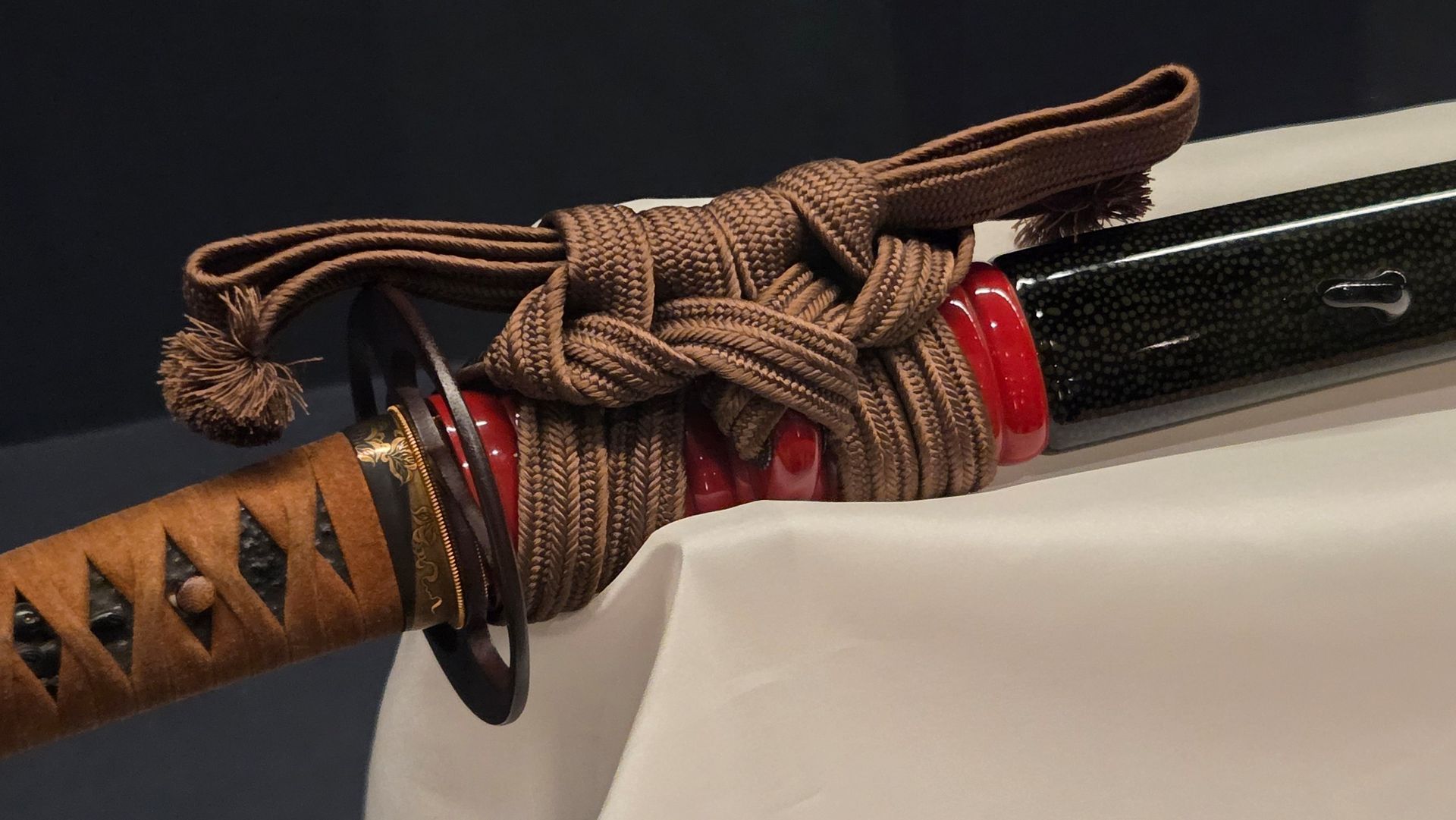
Centuries of mythology building up around the idea that your swords were cursed will tend to do that to a guy.
Vanillaware's Muramasa: Revenant Blades, at least, isn't afraid to lean into the legacy. The 2D action game is so in love with swords it's got 108 of them, and it turns the superstition that Muramasa's swords had to taste blood once unsheathed into a simple but enticing mechanic: Each comes with a unique skill, which can be equipped on another sword only after it's had its fill of bloodshed.
"There's definitely this reputation that the swords of Muramasa are cursed, but what that means is they have power," says director Wataru Nakanishi. "In this game Muramasa is an important character and will create these very powerful swords, but in turn [the protagonists] must collect souls for him, so they have this cooperative relationship based around this dark situation."

In a way Revenant Blades is lifting a curse of its own: 17 years after the game was first released on the Nintendo Wii as Muramasa: The Demon Blade, it's somehow the first release from Vanillaware to make it to PC. The Japanese studio followed Muramasa with more nuanced games, like 2019's acclaimed 13 Sentinels: Aegis Rim and 2024 tactics RPG Unicorn Overlord, but after playing Muramasa on PC I can see why the studio started here. I remember a hack-and-slash with art so lavish seeming novel back in 2009, and somehow that's just as true today.
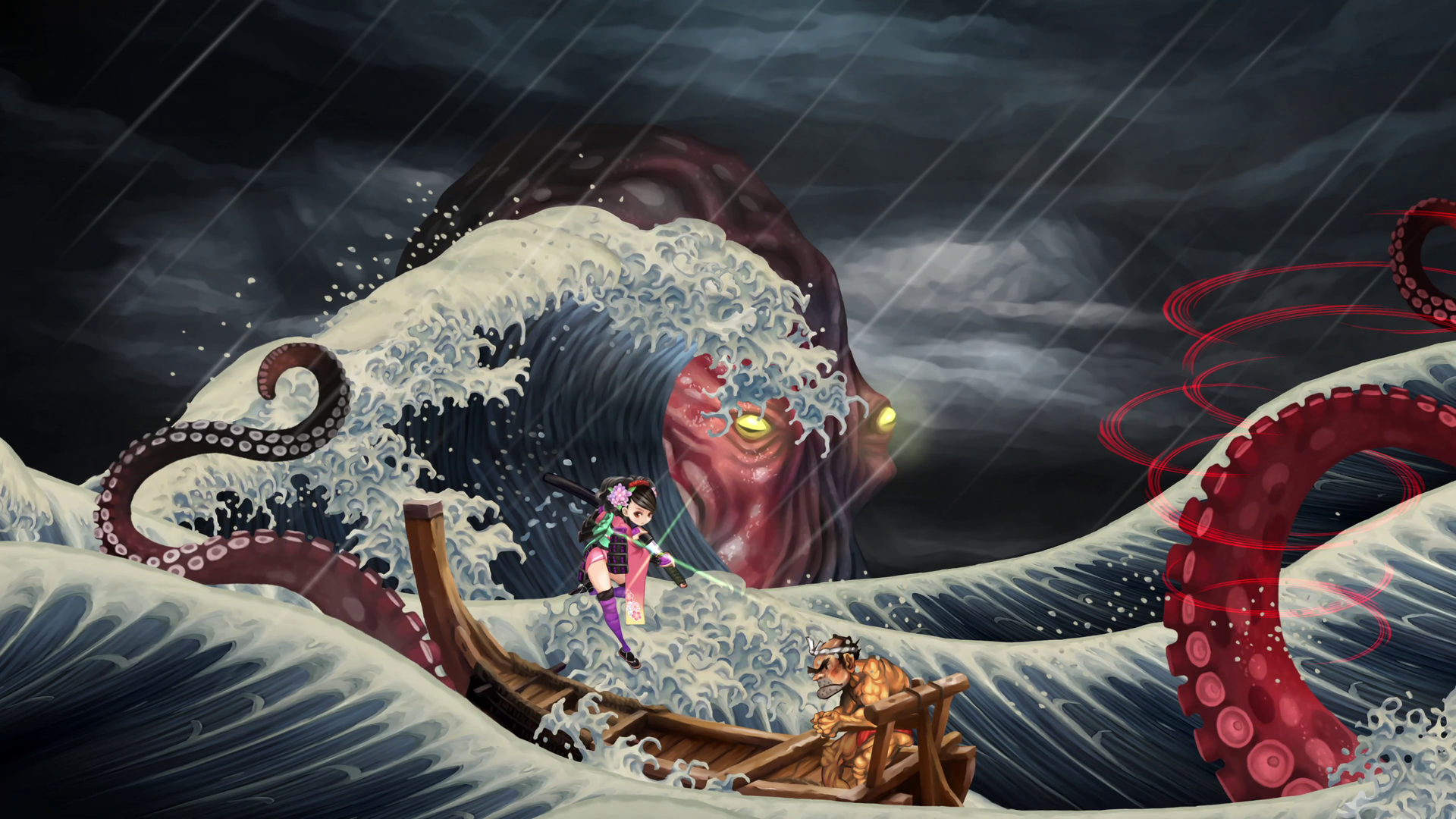
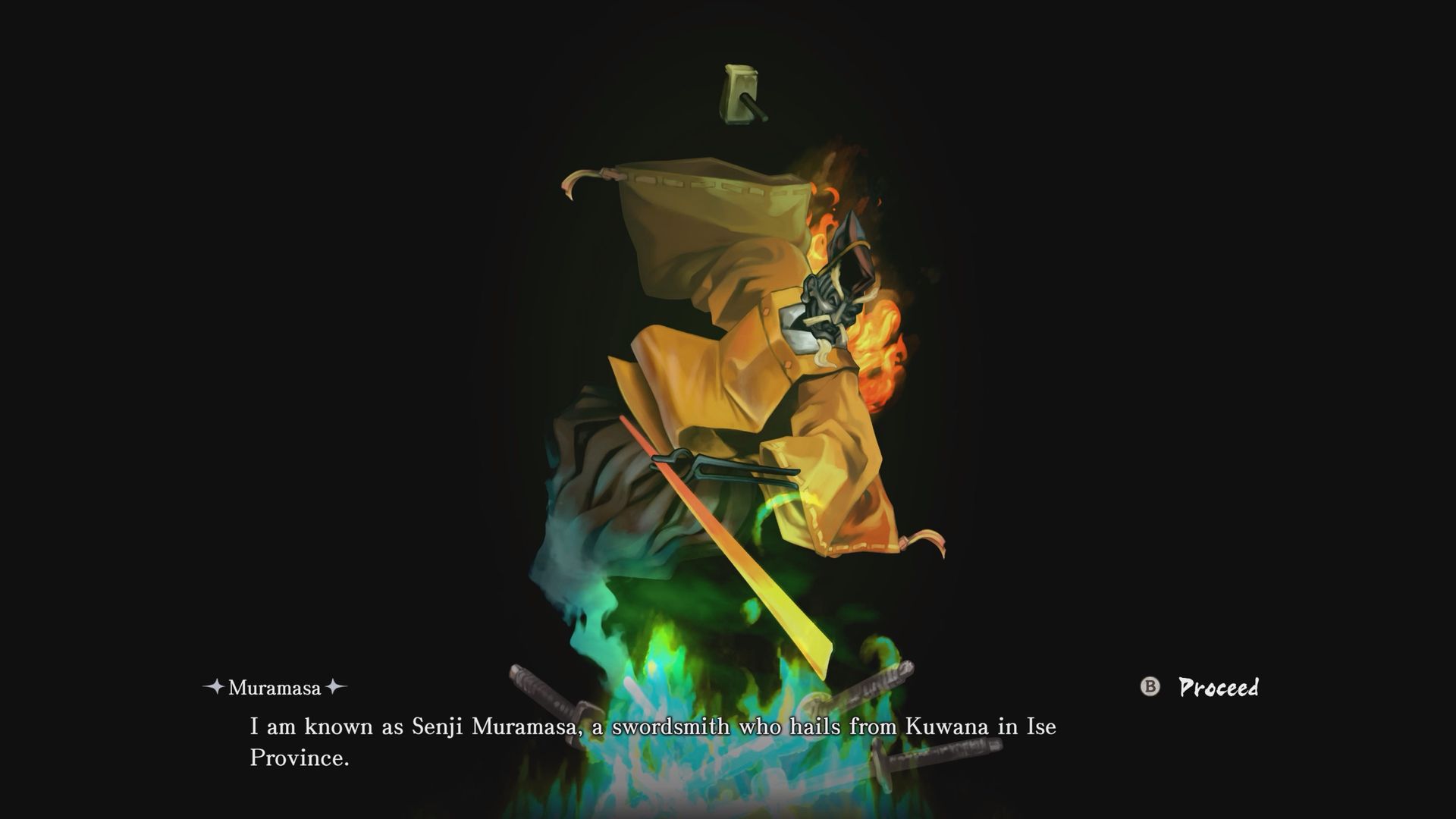
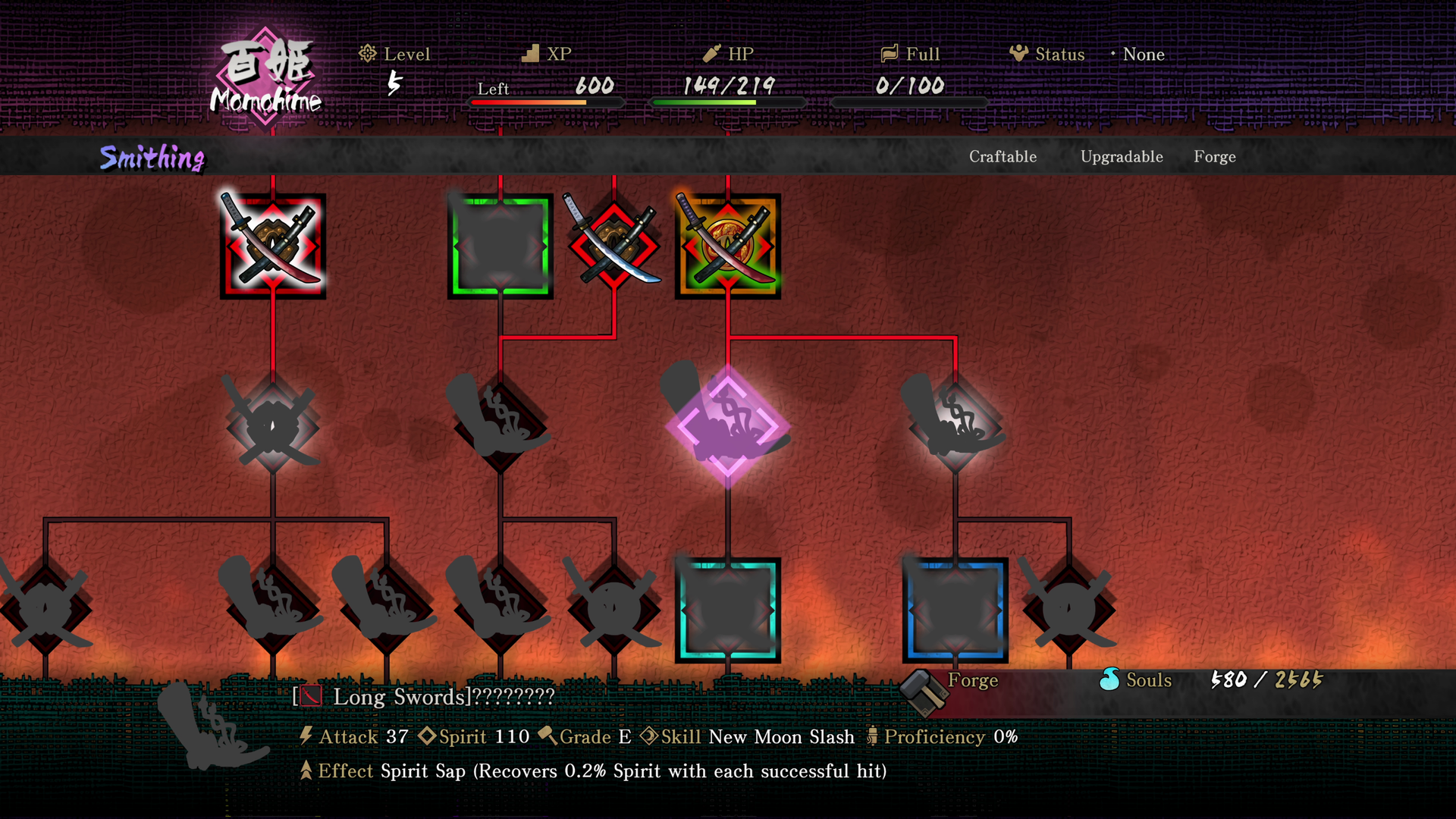
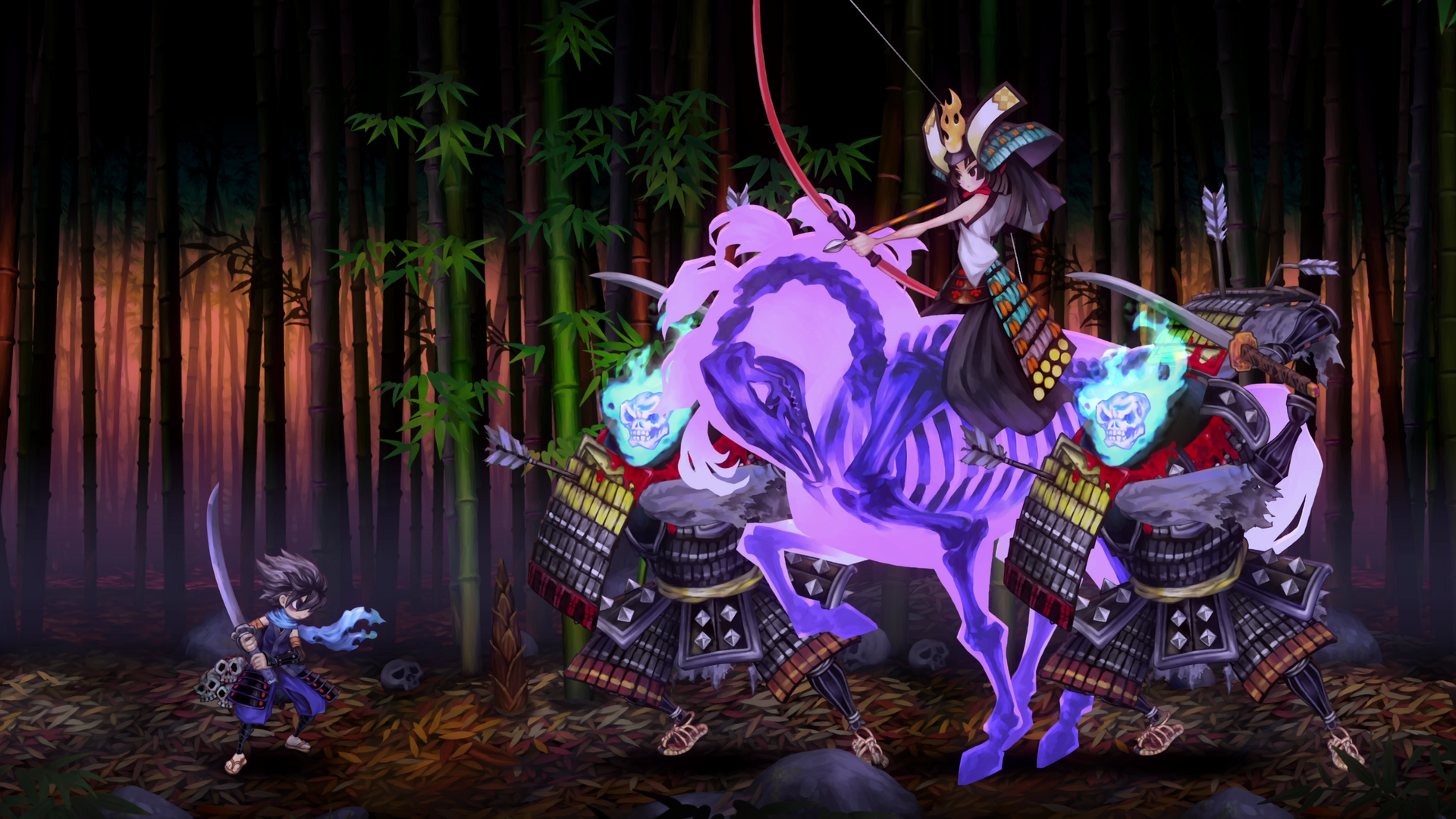
The painterly art has a timeless quality to it, though that's something of an illusion. "It was a lot of work, and it was very difficult," Nakanishi said, laughing. "We had some of the assets, but not others. For those we had to pull them from the game, and then artists individually by hand had to touch them up and recreate them to make something appropriate for the HD release. But you know, through that arduous hand-drawn process, we were able to create this warm and colorful art that we think people will be happy to see."
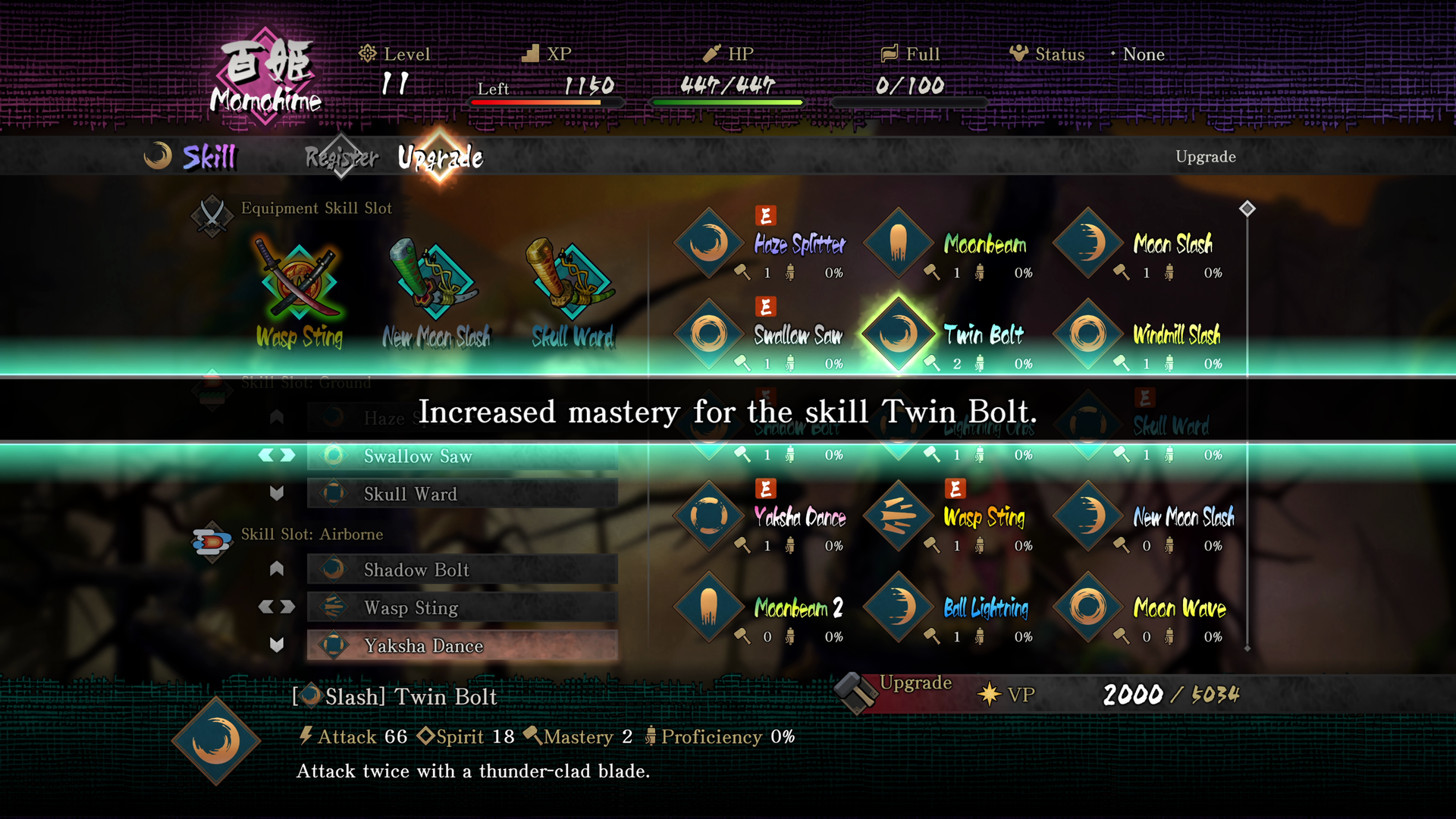
Revenant Blades is also not the simplistic game I remember. The skill system for all 108 blades is new, allowing me to equip three ground and three air abilities to a trio of blades I could have equipped (and swap between) at any one time. That made for a dizzying number of special moves to keep in mind, though executing them is as simple as tapping a button and a direction.
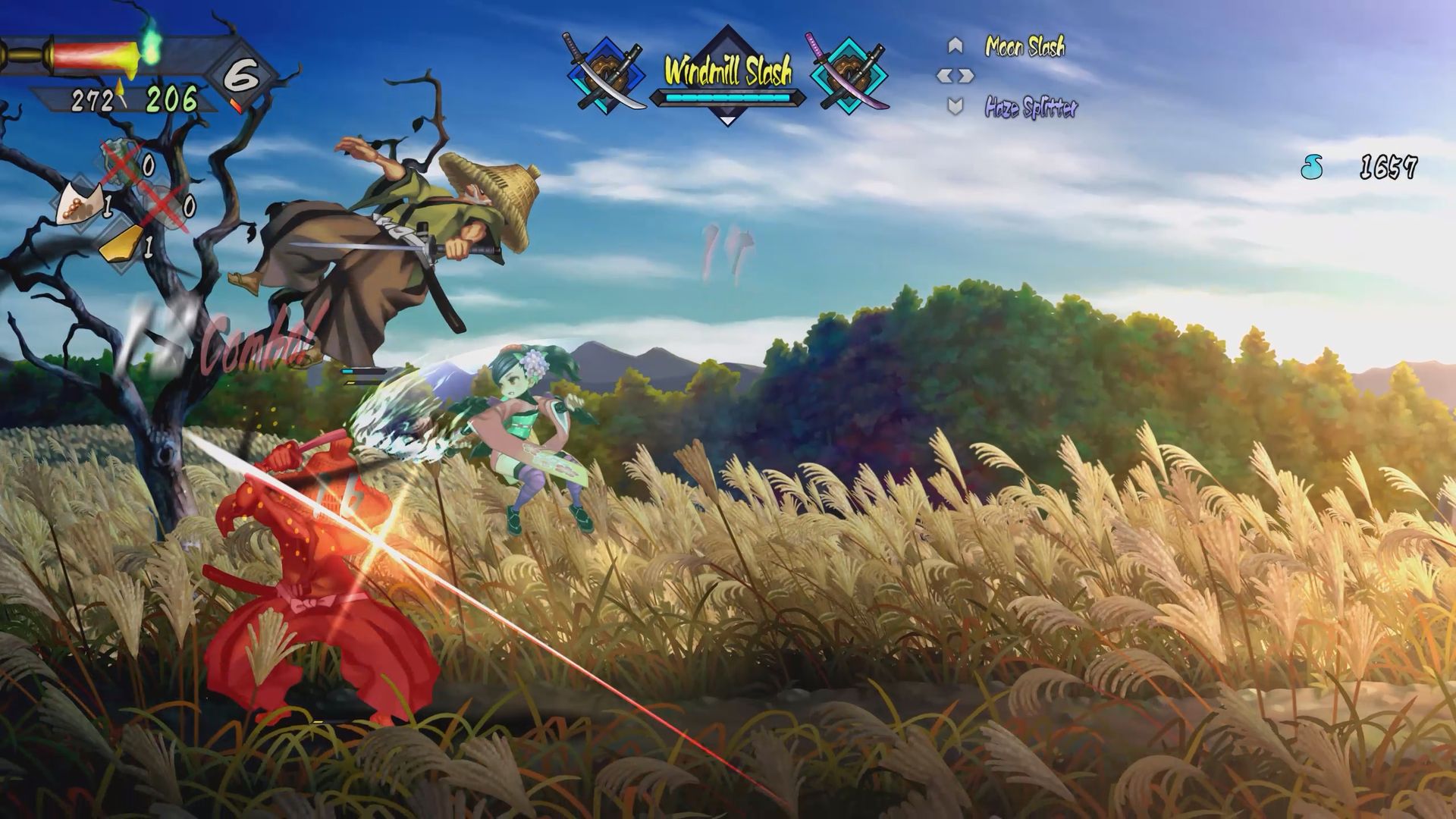
On the harder difficulty enemies now come streaming onto the screen in daunting numbers, and with more health to compensate for your improved arsenal. I learned the hard way not to play too defensively: Blocking a few attacks would wear down my sword until it snapped, leaving me open to a quick death. Survival demands fluid strings of combos, flitting between swords to keep them from breaking, chaining a launcher skill into a rapid series of slashes that can pummel a whole gang of ninja at once.
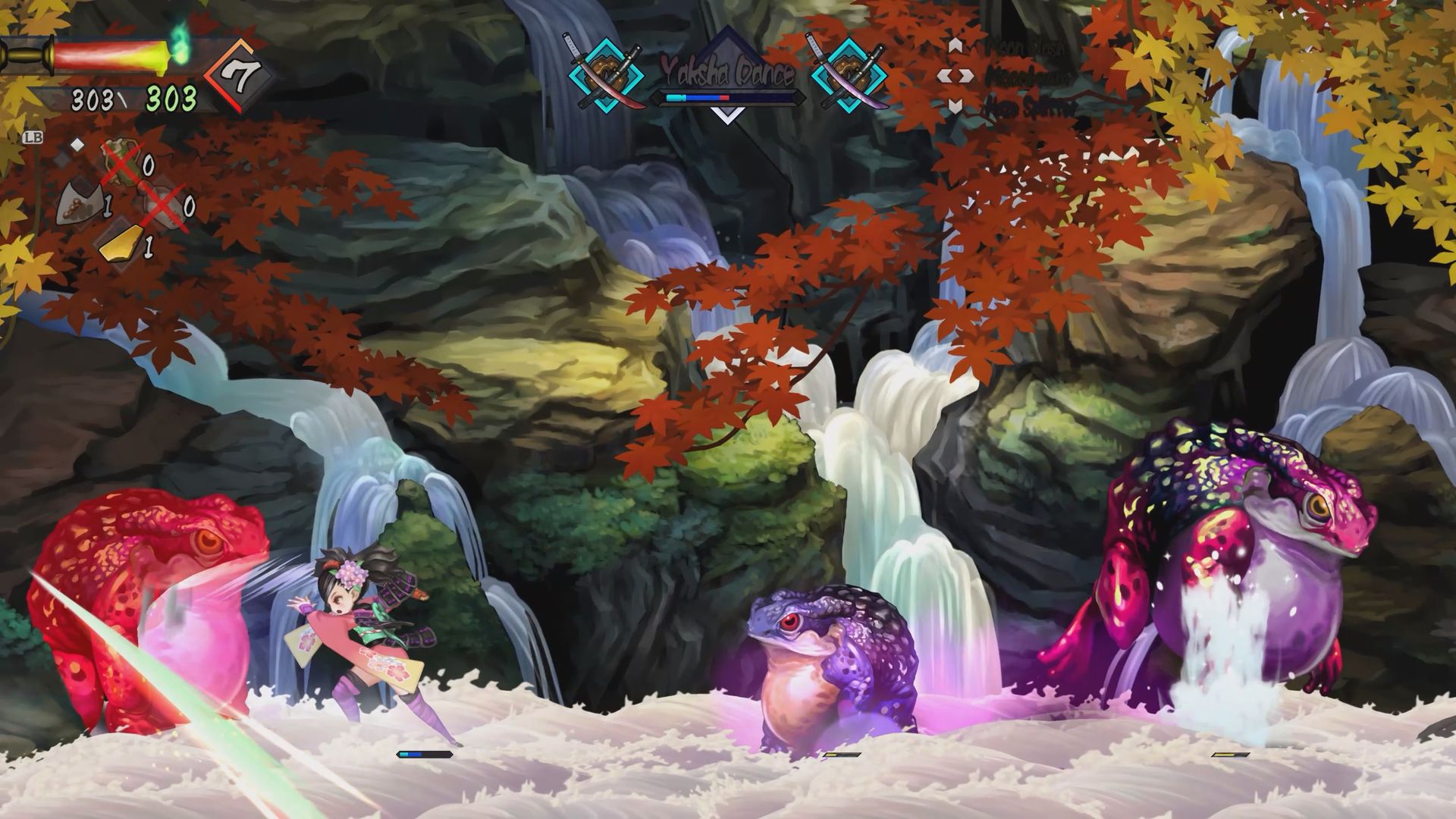
Or toads. I walked underneath a waterfall, not realizing I was underleveled for that bit of Muramasa's freely explorable map, and got absolutely embarrassed by a family of poison-spitting toads. Way scarier than the guys with shurikens and bombs.
In the original game enemies scaled with you as you leveled up, but Vanillaware scrapped that for Revenant Blades. Enemies in different areas now have fixed levels; you'll be able to steamroll the ones that are weaker than you, but depending on the path you take you might run into fights that send you scampering away unless you're really good.
Because you could previously only use a single skill that was locked to the single katana you had in-hand at any given moment, Nakanishi says players naturally gravitated to the most powerful late-game blades. "It kind of limited the scope of the gameplay," he says, but now that you can equip skills independently, "players have access to so many more skills and playstyles."
"Using the skills Celestial Slash and Flame Barrage, you can knock people into the air with fire, then jump up and use the aerial skill to knock them back to the ground. That kind of combination wasn't really something you could do with the more limited skill system."
In addition to possessed princess Momohime who I played as for the hour-long demo, Revenant Blades piles on a range of playable characters first added in a 2013 Vita re-release, each with their own stories. It's now a deceptively beefy game, and the skill system feels like the key it needed to unlock its full potential. I can't imagine a better fit for the Steam Deck OLED, where its vivid backgrounds will threaten to tear the eyes away from the action for the three seconds it'll take to wind up dead.
If Muramasa: Revenant Blades is the hit on PC it deserves to be, perhaps it will manage to dispel the myth that PC ports are as taboo in the halls of Vanillaware as the swordsmith's weapons have become over the centuries. Could more follow in its wake?
"We currently don't have any specific plans of that nature, but we would love to see Muramasa be successful enough that people start to ask about that kind of thing," Nakanishi says.
2026 games: All the upcoming games
Best PC games: Our all-time favorites
Free PC games: Freebie fest
Best FPS games: Finest gunplay
Best RPGs: Grand adventures
Best co-op games: Better together
Cities: Skylines – Expanded Edition till Nintendo Switch 2
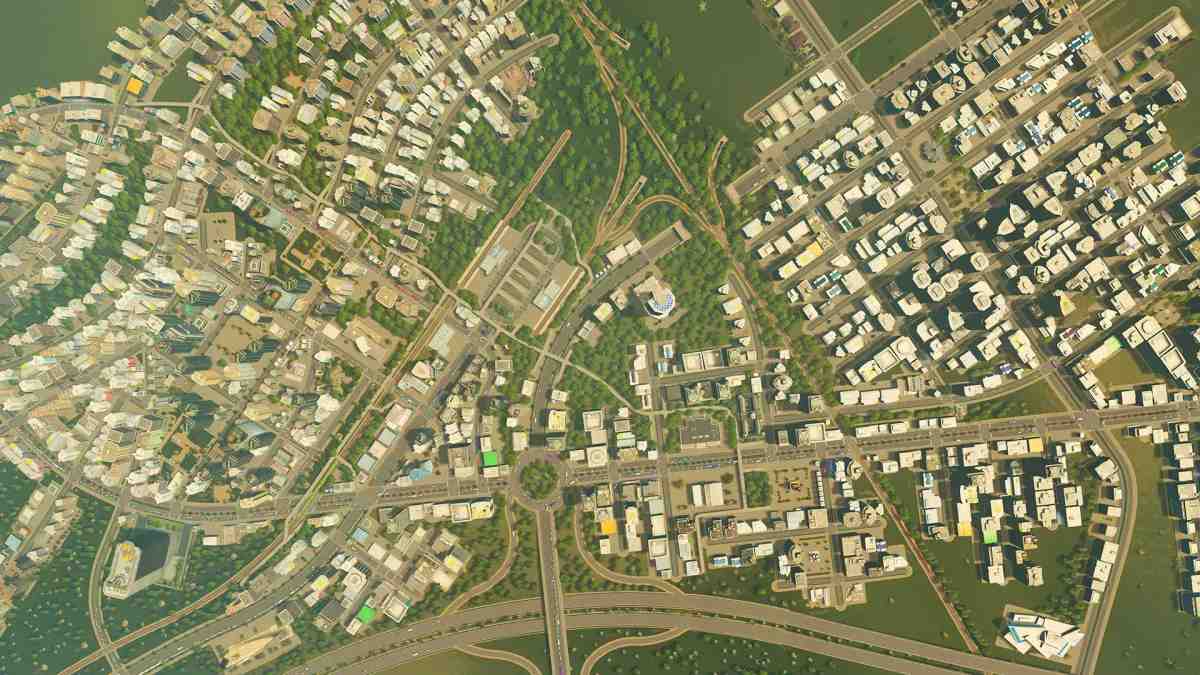
Cities: Skylines – Expanded Edition lanseras till Nintendo Switch 2 den 28 oktober 2026. Denna version introducerar 25 byggbara rutor, en karteditor, 10 utvalda DLC-expansioner och innehållspaket, samt två olika grafiklägen för 49 dollar. Paradox Interactive och Tantalus Media har meddelat att utgåvan är optimerad för Nintendos nya hårdvara, vilket även Insider Gaming har rapporterat om.
Spelare kan välja mellan läget Performance, som siktar på 60 FPS med uppskalning och justerade kvalitetsinställningar, eller läget Quality, som prioriterar visuell detaljrikedom i 30 FPS. Utöver handkontroll stöds även mus och tangentbord, och spelare kan nu expandera sina städer långt bortom den ursprungliga gränsen på nio rutor.
Bland de nya verktygen märks precisionsplacering, en distansindikator, uppdaterade snapping-alternativ samt en kontrollpanel för miljöeffekter som låter spelaren styra faktorer som regn och tid på dygnet. Med det nya snabbvalsverktyget och en karteditor kan spelare dessutom skapa och anpassa landskap helt efter eget tycke innan stadsbygget påbörjas.
De som redan äger Cities: Skylines till den ursprungliga Switch-konsolen kan ta del av en lojalitetsrabatt på 70 %. Enligt Paradox officiella utannonsering är detta erbjudande tillgängligt från lanseringen den 28 oktober 2026 fram till den 28 april 2027. Noterbart är att den listade innehållsförteckningen nämner 11 objekt trots att det totala antalet beskrivs som 10, varför den specifika DLC-listan lämnas osagd här.
Nya paket till PC och konsol
Vid sidan av Switch 2-utgåvan släpps även Holiday Getaways, Mansions & Manors och Blueprint Beats Radio till PC, PlayStation och Xbox den 28 oktober. Dessa kommer att säljas separat eller som en del av Estates & Escapes Bundle, med ett rekommenderat pris på 12,99 euro.
Valor Mortis lander på Game Pass og PlayStation Plus
Valor Mortis lander den 13. oktober på PC, Xbox Series X/S og PlayStation 5. Spillet bliver tilgængeligt i fuldt omfang på Xbox Game Pass fra dag ét, mens PlayStation Plus-abonnenter kan se frem til en 90-minutters prøveperiode. Annonceringen af lanceringstidspunktet følger i kølvandet på, at det blev officielt bekræftet, at spillet er gået guld og dermed er helt klar til udgivelse.
Prøveversionen til PlayStation giver spillerne mulighed for at teste det fulde spil, og deres fremskridt bliver gemt, hvis de senere vælger at købe det. Ifølge Polygon forventes spillet at tage omkring 20 timer at gennemføre, og med en pris på $39,99 på tværs af platforme fungerer prøveperioden snarere som en kort introduktion end som en omfattende del af kampagnen.
Det er One More Level, studiet bag Ghostrunner, der står bag udviklingen af Valor Mortis. Der er tale om en soulslike i førsteperson, som udspiller sig i Napoleons hær. Her indtager man rollen som William, en falden soldat, der bliver vækket til live, alt imens en pest forvandler hans medsoldater til monstre. Ved at lede efter Catalysts og Ambers kan spilleren låse op for nye færdigheder og tilpasse Williams statistikker.
Polygon rapporterer desuden, at udgiveren Lyrical Games har valgt prisen på $39,99 for at stå stærkere i konkurrencen mod de mange andre udgivelser denne sæson. De to abonnementstilbud adskiller sig markant fra hinanden: Hvor Game Pass tilbyder det fulde spil ved lanceringen, får PlayStation Plus-medlemmer 90 minutter til at afprøve titlen, før de skal beslutte, om de vil betale for resten. For Microsofts tjeneste er der tale om endnu en dag ét-tilføjelse, som gør selskab med spil som Resonance: A Plague Tale Legacy.
A new Ultima RPG is on the table now that the series' creator is getting back the rights from EA
Ultima is a foundational RPG series that's long been left in the past by rights holder EA, but according to series creator Richard Garriott, that could all be changing as early as next year.
Garriott sold Origin Systems, the studio he co-founded with his brother and father, to EA back in 1992 along with the rights to the Ultima IP. He would continue working there for years to come, directing several Ultima RPGs and serving as producer on the seminal MMORPG, Ultima Online. In 1999, EA canceled all of Origin's in-development projects partly due to poor reception to Ultima IX: Ascension, and Garriott left the company shortly after that. After a few years maintaining Ultima Online and working on another online Ultima game that would eventually be canceled, Origin was shut down by EA in 2004. 22 years later, Garriott says he'll soon own the rights to the series once again.
"There's a really weird United States copyright law that says, if you are the original holder of a copyright and you assign it or sell it to any publisher or any other entity, after 35 years you can just take it back," Garriott tells Jesse Petrilla in a new interview. "There's no money that you need to transfer, all you need to do is tell them a year before you take it back.
"And so, in April of this year, I told Electronic Arts, 'by the way, I'm gonna take the copyrights to Ultima back,' and they wrote back and said, 'yeah, we know that's the law, we will act accordingly.' And so I'm now in discussions with them actively right now as to, 'is there anything we should do together or not?'"
As EA is still the rights holder as of now, there's no guarantee on what form this potential Ultima revival will take. Garriott says "we'll figure it out," but "at the very least it means I could re-release the early Ultimas, but it also means I could sequel them... the point is, I have control again of the future of my seminal product line."
"Sequel them," you say? As in, the official steampunk Ultima Online 2 that was announced in 1999 and canceled in 2001? Ultima Online is probably the game I've put the most hours into in my whole life, and a sequel would be utterly surreal at the very least.
Assuming Garriott's correct and he regains ownership of Ultima next year, I'll be nervously excited to see what comes next. Simple remakes or remasters of early Ultima games would be easy winners as long as their core systems remain mostly untouched, but a whole new game with Garriott at the helm could go either way. While his influence on the RPG genre is undeniable, Garriott has occasionally tripped his way through controversy in his decades-long career, which includes attempts at an NFT-based MMO and a string of post-Ultima releases that haven't all been well-received.
Regardless, I'd argue Ultima is in better hands with Garriott than it is under EA's umbrella, where it would probably never be touched again.